
EN
GET A QUOTE
Subscribe now to stay informed about the latest industry blogs, expert insights,
and emerging trends—delivered straight to your inbox.
More To Read
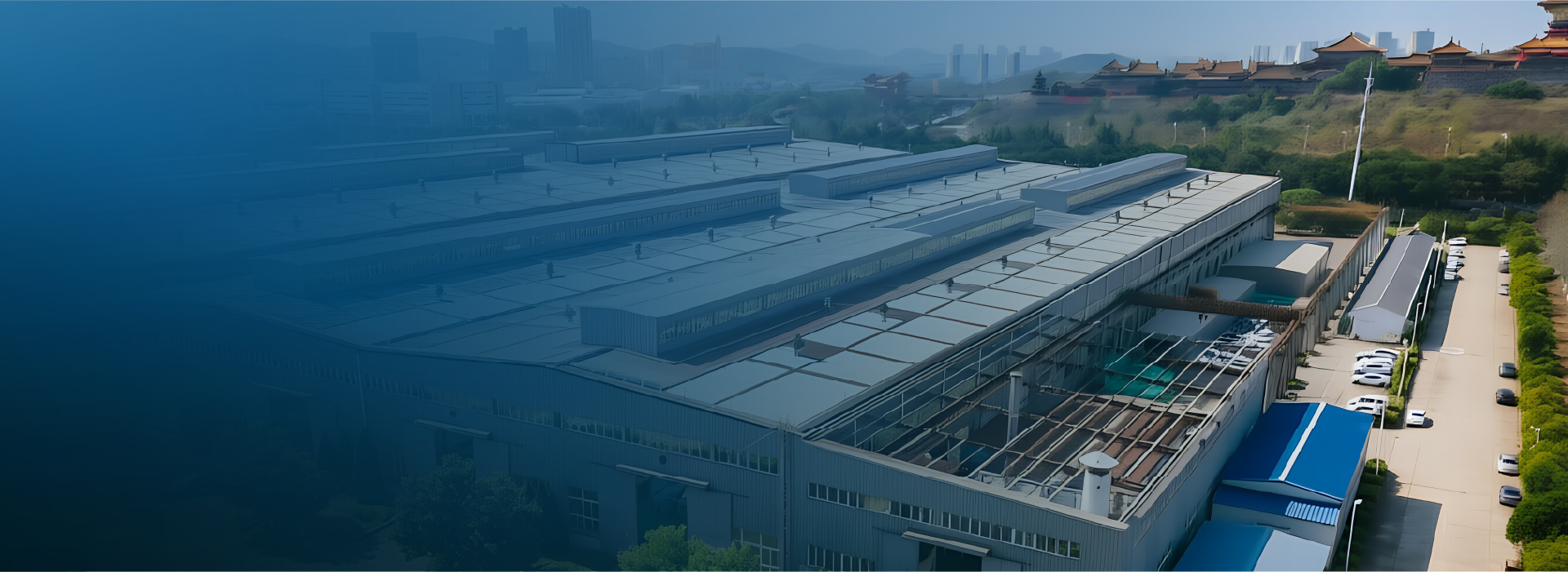
Farm harmless treatment equipment facilities are not only the basic requirements of environmental protection, but also the necessary conditions for the sustainable development of modern farming. This article explains in detail the standards and requirements of farm harmless treatment equipment and facilities to help farmers to improve the level of facility construction, to protect the environment and public health.
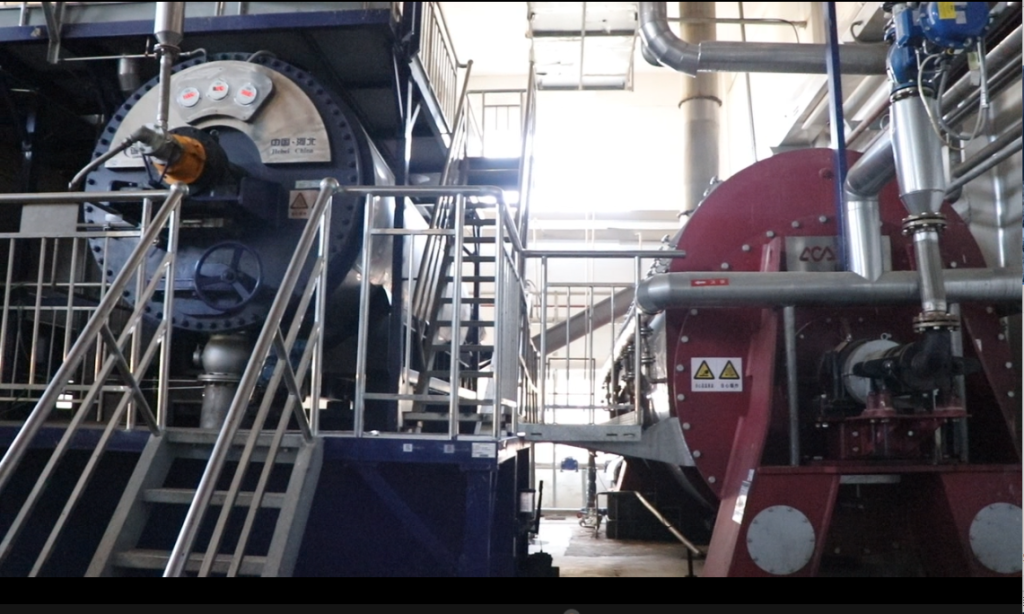
Feather waste from poultry slaughtering can be converted into hydrolyzed feather meal through high-temperature and high-pressure hydrolysis. This article explains how Sunrise feather powder production lines help process feathers into animal protein raw materials for feed, fertilizer and other resource recovery applications.
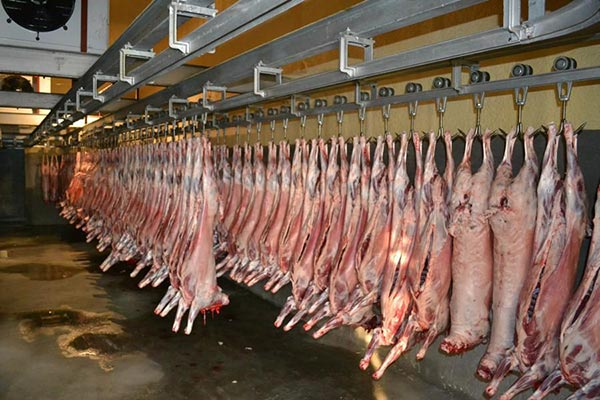
The treatment of slaughter waste (RENDERING PLANT) is an important issue of environmental protection and economic development. This paper systematically describes the effective treatment methods of slaughtering waste from the perspective of environmental protection and benefit, and provides practical reference for industry practitioners.
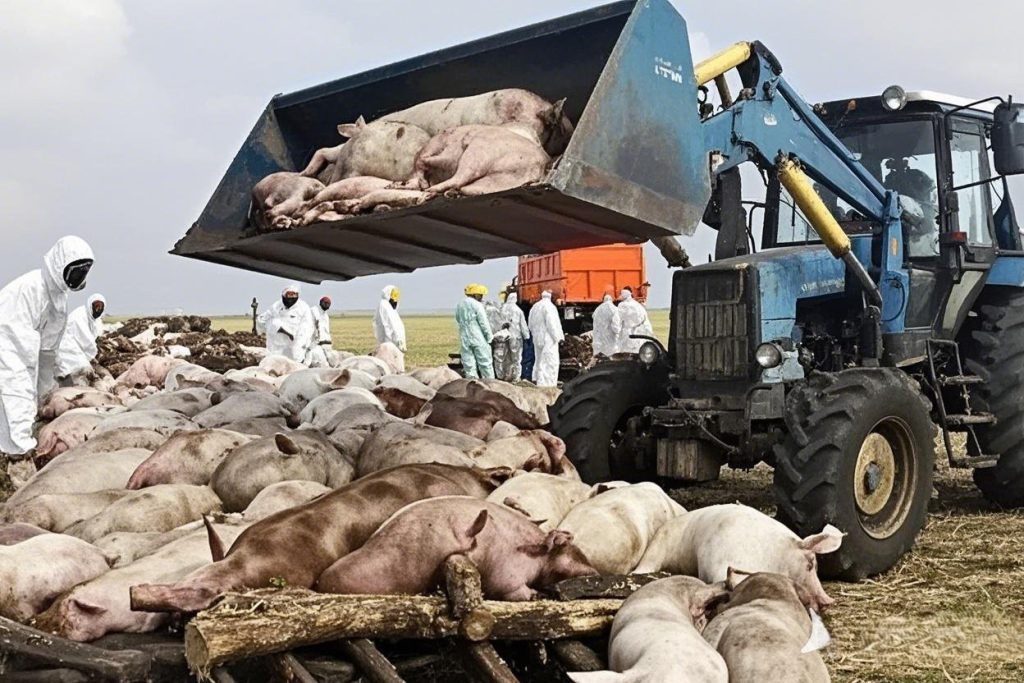
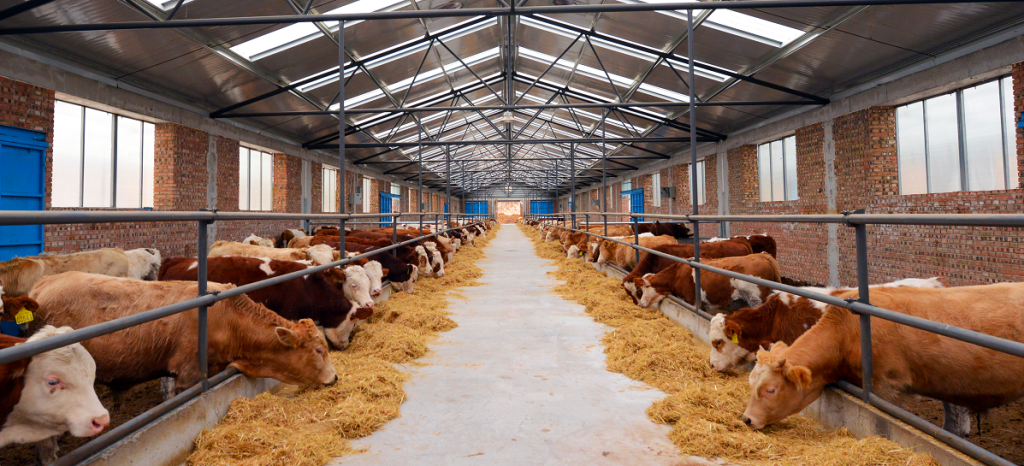
Harmless treatment of sick and dead animals and poultry is essential for preventing disease transmission, reducing environmental pollution and protecting food safety. This article explains the importance, core objectives, common treatment methods and key challenges of livestock and poultry rendering plant systems.
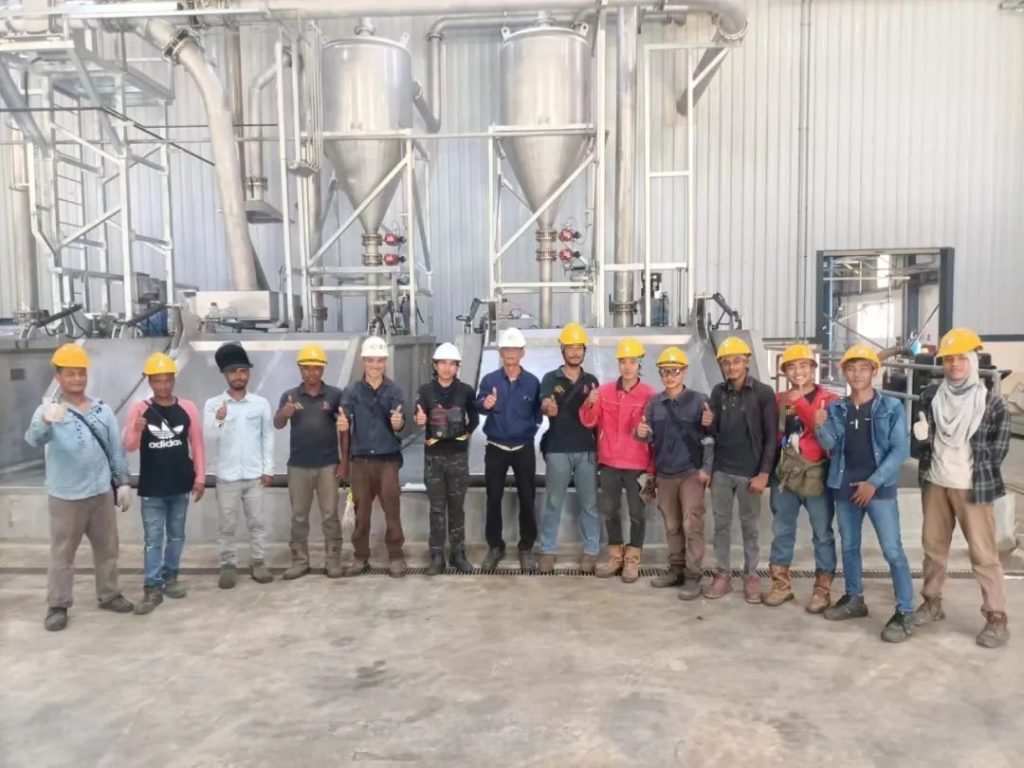
Sunrise deployed an automated slaughter waste treatment production line for a Malaysian poultry industry customer. With a daily processing capacity of up to 80 tons, the line is designed to treat poultry slaughtering wastes such as chicken bones and chicken offal through closed, safe and intelligent operation.
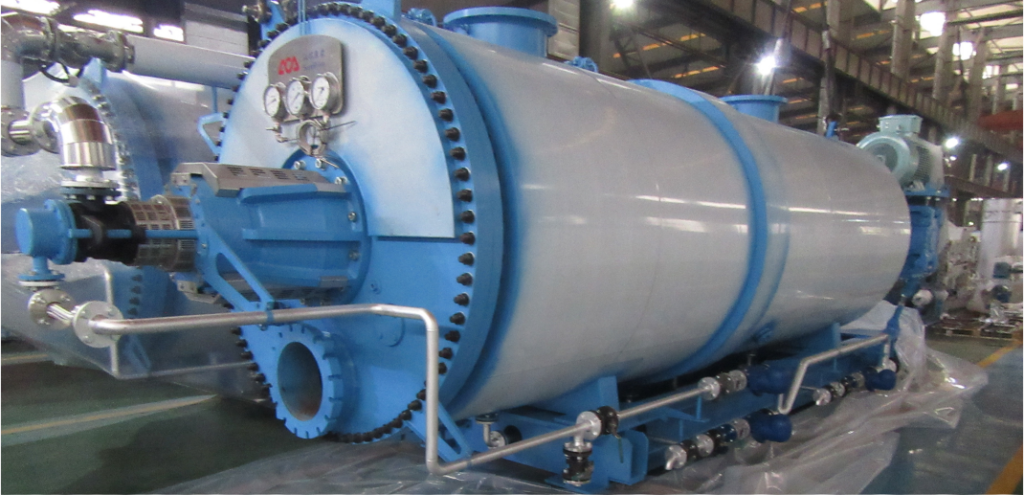
Jiangsu Sunrise successfully shipped a customized pig slaughter waste treatment production line to Russia. The equipment supports reduction, harmless treatment and resource recovery of slaughterhouse waste, helping convert organic waste into animal protein and animal oil.
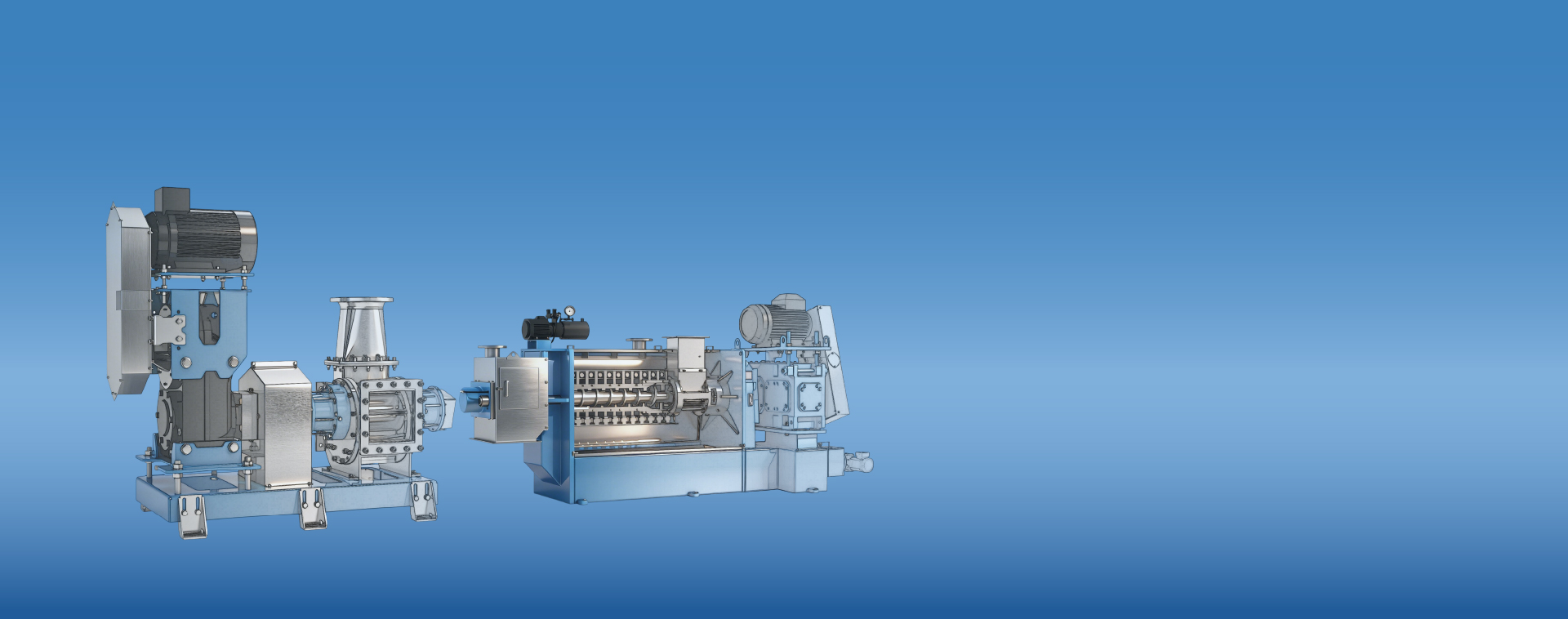
From a single fat press to a full continuous rendering plant — speak with our engineering team about a tailored configuration for your site.

Chinese (Simplified)

English

French

Portuguese

Spanish