Ever

EN
GET A QUOTE
Ever

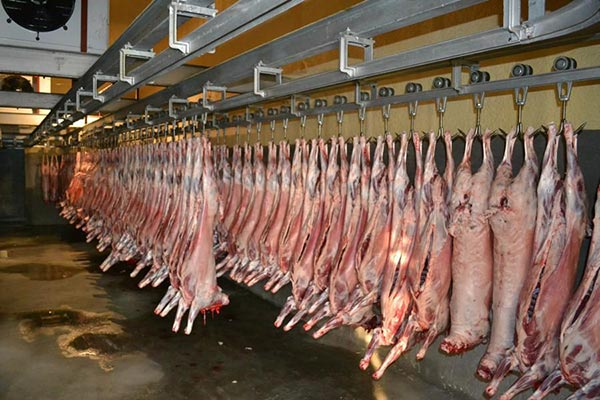
In the rapid development of the modern farming and slaughtering industry, the treatment of slaughter wastes has become an increasingly prominent issue. These wastes include solid wastes such as animal offal, bones, blood, etc., as well as sewage generated during washing and treatment. How to treat these wastes scientifically and efficiently is not only related to the protection of the ecological environment, but also involves the long-term development of the industry and the enhancement of economic benefits.
Sunrise Environmental Equipment Co., Ltd. specializes in manufacturing, efficient and durable slaughter waste Rendering plant equipment.
Slaughter waste, if not handled properly, can cause serious environmental pollution:
The waste emits a strong odor after rotting, which greatly affects the lives of nearby residents.
Wastewater contains a large amount of organic matter, fat and pathogenic microorganisms, discharged into the water body will lead to eutrophication of the water body, endangering the water ecosystem.
Untreated waste landfilled at will will cause pathogenic bacteria to grow in the soil and pollute the land resources for a long time.
From the economic point of view, these wastes are a great waste of resources without effective treatment. According to statistics, the protein and fat rich in slaughter waste, if utilized, can be transformed into high value-added products, such as animal feed, organic fertilizer and bioenergy.
Sunrise Environmental Equipment Co., Ltd. specializes in manufacturing, efficient and durable slaughter waste Rendering plant equipment.
In the past, many slaughtering enterprises mainly disposed of their wastes through simple methods such as landfill, incineration or direct discharge. However, these methods have obvious defects:
Occupies land resources and is prone to breeding harmful microorganisms, causing long-term pollution.
High cost, easy to produce dioxin and other toxic gases, causing secondary pollution to the air.
Extremely destructive to the surrounding environment and prone to social and legal disputes.
Therefore, the industry is in great need of introducing scientific, environmentally friendly and economical waste treatment technology to solve these problems and realize resource utilization.
Senrong environmental protection slaughter waste treatment equipment! Resourceful reuse!
Senrong environmental protection through animal protein conversion technology, slaughter waste, such as viscera, blood, bones, feathers, etc. into meat meal, bone meal, meat and bone meal, blood meal, feather meal, etc. can be used as a feed ingredient to provide a rich source of protein.
Sen Rong Environmental Protection extracts oil and grease from fat waste, and the extracted oil and grease can be the raw material for biodiesel.
With the support of the above technologies, the treatment of slaughter waste not only reduces environmental pollution, but also creates additional income for the enterprise.
In recent years, many enterprises at home and abroad are using Senrong Environmental Protection's slaughtering waste treatment equipment, which has achieved remarkable results, the following are some successful practice cases:
The enterprise introduced the fully automatic waste treatment equipment, through the feather dewatering, continuous hydrolysis process, the average daily amount of waste treatment reaches hundreds of tons. The feather meal produced by the company is used as raw material for animal feed, saving millions of dollars in feed costs annually.
The enterprise introduces fully automatic slaughtering waste treatment equipment, through the viscera, bones, blood high temperature and high pressure chemical processing, into animal protein meat powder, bone meal and blood powder. The waste is transformed into high-value animal protein.
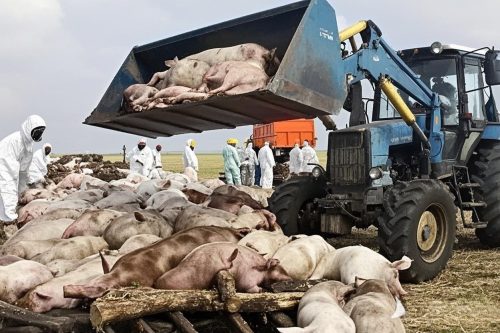
The enterprise introduces fully automatic livestock and poultry harmless treatment equipment, through high temperature and high pressure disinfection and sterilization, the livestock and poultry carcasses are transformed into organic fertilizer.
Despite the increasing sophistication of modern treatment technologies, the implementation process still faces the following challenges:
The initial investment in many treatment equipment and technologies is large, discouraging some small and medium-sized enterprises. In this regard, enterprises can actively apply for government subsidies or seek cooperation with professional environmental protection companies to share the financial pressure.
Waste treatment requires technical support and the participation of professionals, which can be solved by training internal staff or outsourcing services.
Residents in the vicinity of certain abattoirs may have misconceptions about treatment facilities, such as concerns about pollution or health risks associated with the new technology. Enterprises need to enhance publicity and communication to dispel public concerns through open visits and transparency of information.
With the increasingly stringent national environmental protection policies, the slaughter waste treatment industry is developing towards intelligence, resourcefulness and low-carbonization:
Utilizing IoT technology to monitor key indicators, such as gas emissions and effluent treatment efficiency, in the waste treatment process in real time to ensure efficient and reliable operation.
Promote the synergistic development of agriculture, energy and manufacturing industries through the deep processing and efficient use of waste, and maximize the value of “turning waste into treasure”.
The government will further introduce incentives, standardize industry standards, and provide more policy support and market orientation for enterprises.
Slaughter waste treatment is not only an urgent need for environmental protection, but also a necessary path for industrial upgrading. Driven by science and technology, this field is full of opportunities and provides a new direction for sustainable development for industry practitioners.
Sunrise Environmental Equipment Co., Ltd. specializes in manufacturing, efficient and durable slaughter waste Rendering plant equipment.
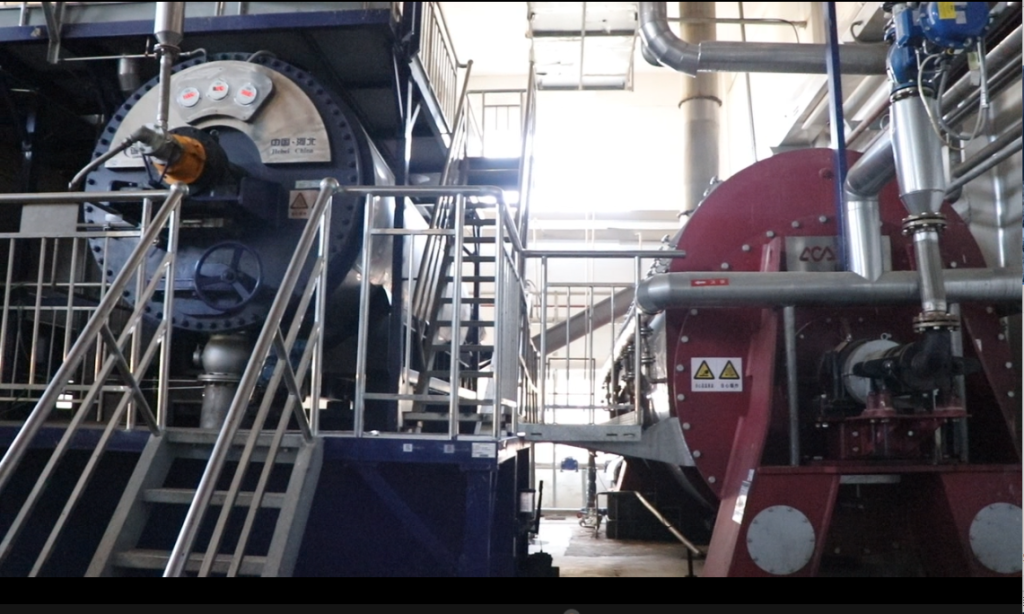
Feather waste from poultry slaughtering can be converted into hydrolyzed feather meal through high-temperature and high-pressure hydrolysis. This article explains how Sunrise feather powder production lines help process feathers into animal protein raw materials for feed, fertilizer and other resource recovery applications.
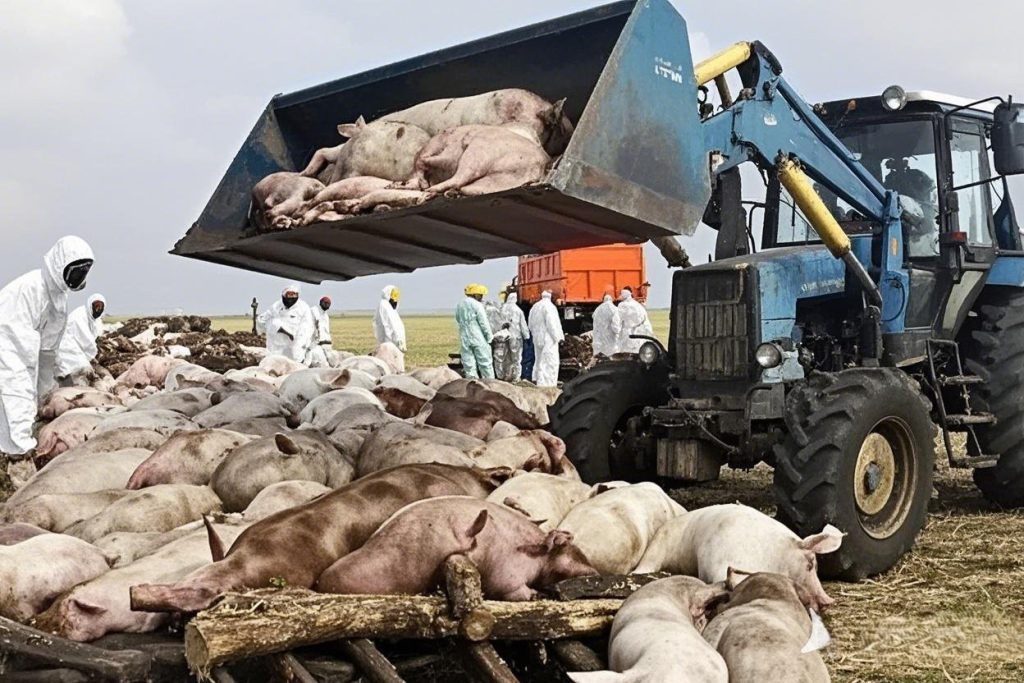
Harmless treatment of sick and dead animals and poultry is essential for preventing disease transmission, reducing environmental pollution and protecting food safety. This article explains the importance, core objectives, common treatment methods and key challenges of livestock and poultry rendering plant systems.
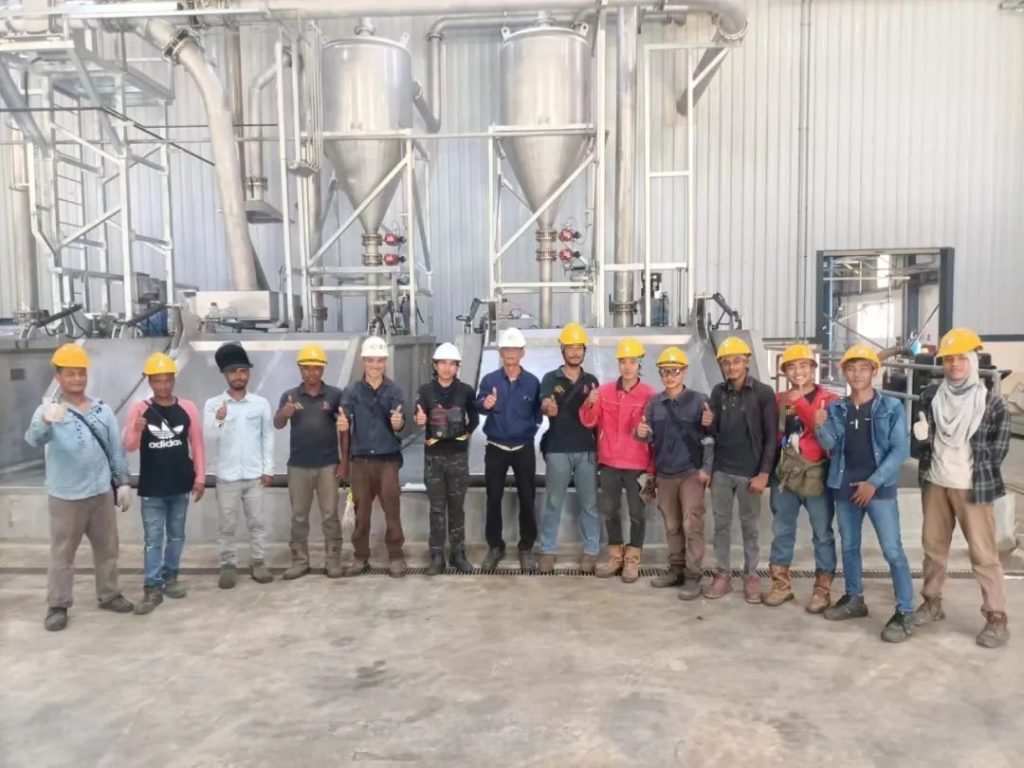
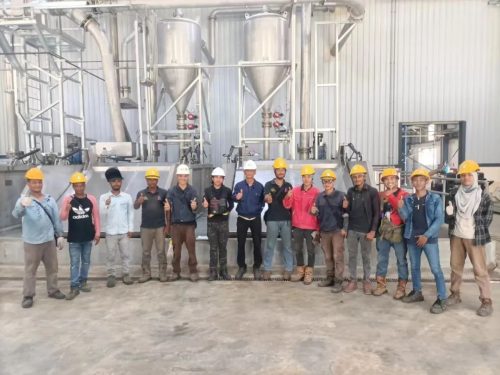
Sunrise deployed an automated slaughter waste treatment production line for a Malaysian poultry industry customer. With a daily processing capacity of up to 80 tons, the line is designed to treat poultry slaughtering wastes such as chicken bones and chicken offal through closed, safe and intelligent operation.
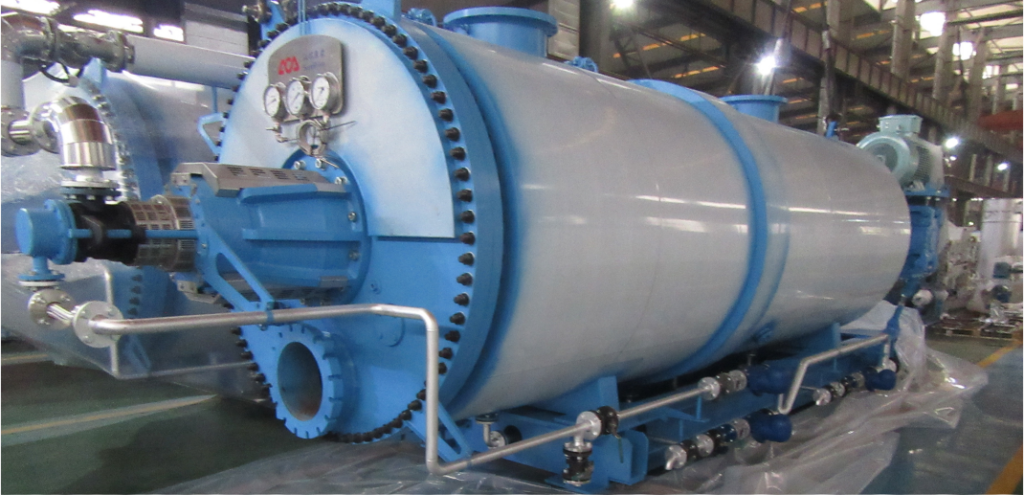
Jiangsu Sunrise successfully shipped a customized pig slaughter waste treatment production line to Russia. The equipment supports reduction, harmless treatment and resource recovery of slaughterhouse waste, helping convert organic waste into animal protein and animal oil.
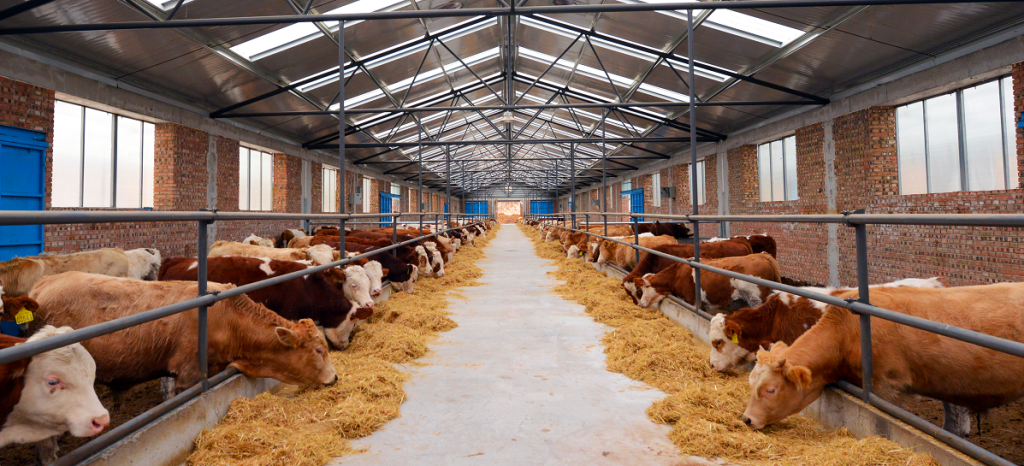
Farm harmless treatment equipment facilities are not only the basic requirements of environmental protection, but also the necessary conditions for the sustainable development of modern farming. This article explains in detail the standards and requirements of farm harmless treatment equipment and facilities to help farmers to improve the level of facility construction, to protect the environment and public health.
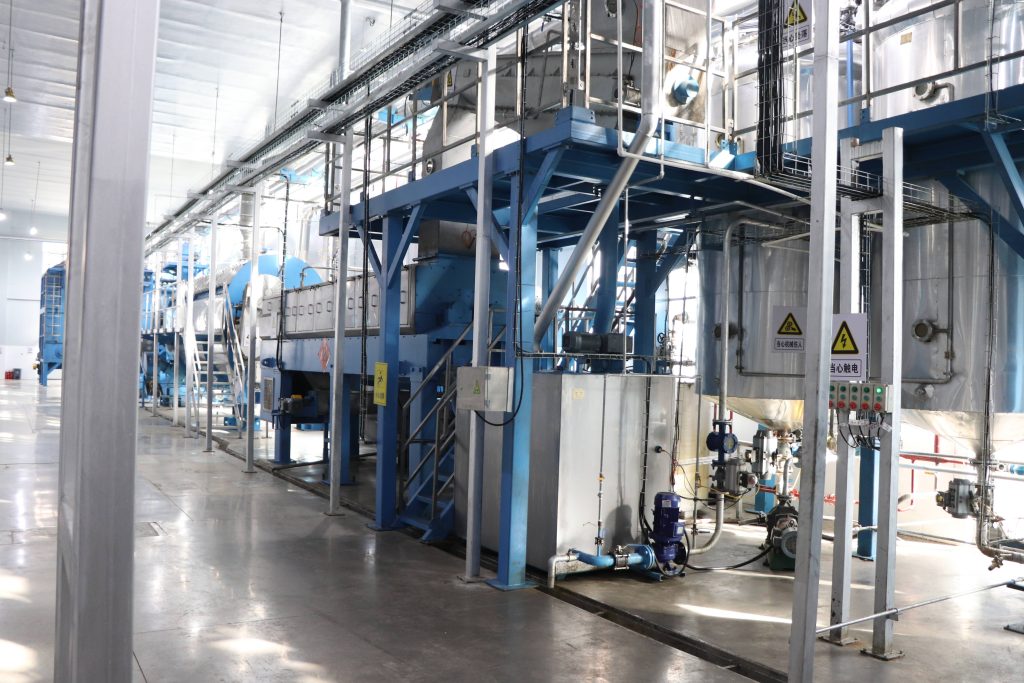
Sunrise’s automated poultry waste line in Baoding converts slaughter by-products into meat and bone meal, protein, and fats, improving efficiency and supporting environmental sustainability.
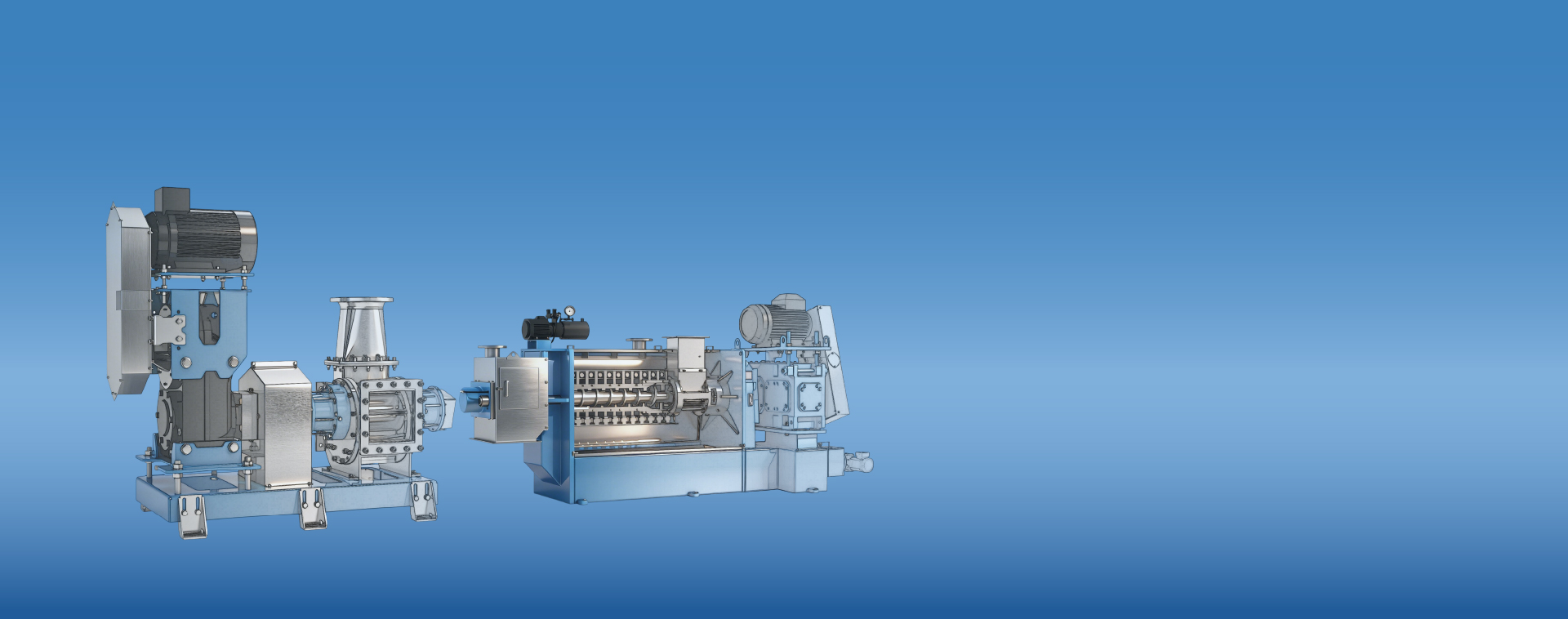
From a single fat press to a full continuous rendering plant — speak with our engineering team about a tailored configuration for your site.

Chinese (Simplified)

English

French

Portuguese

Spanish